Expert Public Adjusting, and claims consultation backed by the CPCU Credential. The CPCU designation (Chartered Property Casualty Underwriter) is the highest and most respected credential in the property insurance industry. It represents advanced, graduate‑level mastery of insurance coverage, claims handling, risk analysis, and ethics. Very few adjusters earn it — and even fewer Public Adjusters hold the credential.
As a CPCU‑certified Public Adjuster, I bring expert‑level understanding of how insurance companies evaluate claims, interpret policy language, and calculate settlements. This means your claim is prepared, documented, and presented with the same precision carriers use internally.
I don’t rely on guesswork or generic templates. I apply proven, industry‑standard methods to ensure every detail of your loss is captured and supported. My CPCU training reinforces a strict ethical code focused on protecting policyholders and advocating for fair, accurate settlements.
When you work with me, you’re working with the CPCU standard — the highest level of knowledge, ethics, and professionalism in the claims industry.

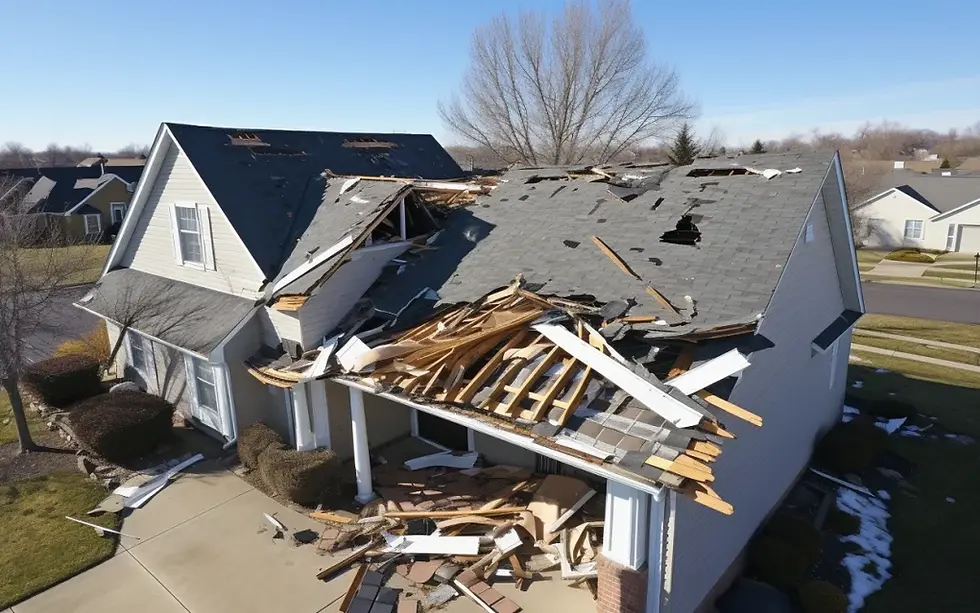

When you suffer property damage in Maine., you deserve someone who works for you—not the insurance company. As a CPCU‑certified Maine Adjuster, I help homeowners and businesses turn complex losses into clear, fair outcomes. I document every detail, interpret your policy, negotiate on your behalf, and make sure your settlement reflects the true scope of your damage. My mission is simple: protect policyholders, eliminate confusion, and bring integrity, strategy, and clarity to every claim. After years of paying premiums, you deserve a professional who ensures your insurance finally works the way it should.
Alfred Smith CPCU Claims Services LLC
Helping families and businesses recover after loss — a regional adjuster bringing strategic claims leadership and CPCU-certified advocacy to every case.

Our Services
01
Residential Claims
We provide expert advocacy for residential property claims, ensuring your home is valued accurately and your insurance settlement reflects the full extent of your loss. Your home, your belongings, and your additional living expenses are all essential parts of your claim, and we make sure nothing is overlooked or
underpaid.
02
Commercial Claims
We provide specialized support for commercial and industrial property claims, ensuring your building, business personal property, and loss of business income are fully recognized and accurately valued. Commercial losses affect more than the structure — they impact operations, inventory, equipment, and your ability to generate revenue.
Our assessments focus on the complete scope of your commercial loss so your insurance recovery reflects the true financial impact on your business. After years of paying premiums, it’s time for your insurance to pay what your policy promises.
03
Settlement Advocacy
If you’ve been underpaid or your claim wasn’t handled properly, you deserve a second look. We represent your interests throughout the entire claims process, ensuring every detail is documented, supported, and included in your pursuit of a fair and just settlement. Your policy has protections, your loss has value, and your claim deserves to be paid accurately.
Let me work for you — and make sure your settlement reflects the full extent of your damage.
Frequently asked questions
CPCU, AIC, AIM, ARM, Haag Certified Inspector
Licensed Public Adjuster in Massachusetts, Rhode Island and Connecticut · Licensed Adjuster in Maine
Insurance Claim Denied or Underpaid? We Fight for You

Your Insurance Advocate for Large and Complex Losses
Catastrophic Loss? Get a Professional on Your Side from Day One
Maine claims we handle
-
Snow load and roof collapse. Heavy, wet snow and layered ice can overload older roofs, barns, garages and low-slope additions. Whether it counts as a covered collapse often comes down to documentation and policy wording.
-
Ice dams. Water backing up under shingles and into ceilings and walls, a common winter loss across Maine.
-
Frozen and burst pipes. Especially at seasonal homes and camps, where vacancy and heat-maintained conditions in the policy can limit coverage.
-
Wind, nor'easters and coastal storms. Roof, siding and tree damage, and the wind-versus-flood disputes that follow coastal storms.
-
Fire and smoke. Structure, contents and additional living expense while you're out of your home.
-
Commercial property. Building damage, business personal property, and extra expense after a loss.
What we do on your claim
-
Review your policy and explain what it covers
-
Inspect and document all of the damage, including what's hidden
-
Prepare a complete, independent estimate of the loss
-
Present the claim to your insurer and negotiate the settlement
-
Handle the supplements, reinspections and paperwork so you don't have to
Your rights under Maine law
-
An adjuster must wait at least 36 hours after a loss before offering you a contract for services.
-
You can cancel a public adjusting contract within 2 business days after signing it. That notice must be printed prominently on the first page of the contract.
-
Fees must be reasonable for the services provided.
Talk to us before you accept the insurance company's offer
Book a free 20-minute claim consultation, or fill out our Free Claim Review form and Alfred will contact you.
Phone: 617-697-2646 Email: alfredsmithcpcu@gmail.com
Licensed Public Adjuster Serving Massachusetts, Rhode Island, Connecticut, and Maine.
Your Insurance Advocate for Large, Complex, Underpaid, and Denied Losses
Major fire, water or storm damage?
Don’t Face the Claim Alone.
I Spent 25 Years on the Insurance Company’s Side. Now I Work for You.

For 25 years, I adjusted large and complex property losses for insurance carriers. I know how claims are evaluated, how settlements are calculated, and where policyholders get shortchanged. Now I use that inside knowledge to fight for you.
The insurance company has experts on its side. Now you can too.
Alfred Smith CPCU Claims Services LLC
CPCU: Chartered Property Casualty Underwriter, the industry’s highest insurance designation
AIC: Associate in Claims
AIM: Associate in Management
ARM: Associate in Risk Management
MAPIA Member: Mass Association Public Insurance Adjusters
NAPIA: National Association Public Insurance Adjusters
Fewer than 2% of insurance professionals hold the CPCU, the industry’s highest designation. I hold it, plus the AIC, AIM, and ARM, and I spent 25 years on the insurance company’s side. They have experts. You’ll have a better one


How it works
1. Free Inspection
I come to your property, review the damage, and go over your policy with you at no cost. You’ll get an honest opinion on whether hiring a public adjuster makes sense for your claim.
2. Document Everything
I prepare a detailed, line-by-line estimate of your damage, including the items carriers often miss: hidden water damage, code upgrades, matching materials, and contents.
3. Negotiate With Your Insurance Company
I handle the calls, emails, inspections, and paperwork with the carrier. You focus on your family and getting back on your feet.
4. You Get Paid
I work on a contingency fee. I get paid only when you do, as a percentage of what the insurance company pays on your claim.
Frequently Asked Questions
What does a public adjuster do?
A public adjuster is a licensed professional who represents you, the policyholder, in your insurance claim. The insurance company’s adjuster works for the insurance company. I work for you.
When should I call a public adjuster?
As early as possible, ideally before you accept any settlement. Large losses like fires, major water damage, and storm damage are complex, and early mistakes can cost you later.
Is it too late if my claim is already open?
Usually not. I can step in on claims that are already in progress, underpaid, or denied. Call me and we’ll review where things stand.
How much does it cost?
Nothing upfront. My fee is a percentage of the insurance payment on your claim, agreed to in writing before any work begins. If there’s no recovery, there’s no fee.
Will I still have to deal with my insurance company?
Very little. When you hire me, you’re not just getting an adjuster. You’re getting a team on your side. I become your main point of contact with the insurance company, and I bring in the right experts when your claim needs them: contractors, restoration companies, engineers, and contents specialists. We handle the calls, the inspections, the paperwork, and the negotiations. You’ll still sign key documents and attend an inspection or two, but you’ll never face the insurance company alone. I’ll keep you updated every step of the way, so you always know where your claim stands.
What areas do you serve?
I’m licensed in Massachusetts, Rhode Island, Connecticut, and Maine.
I focus on residential large and complex losses.
What is a CPCU, and why does it matter?
CPCU stands for Chartered Property Casualty Underwriter, widely considered the highest designation in the property and casualty insurance industry. Earning it takes years of graduate-level study in insurance law, coverage, risk management, and claims, plus a strict code of ethics. Fewer than 2% of insurance professionals hold it. When your claim is on the line, it means your advocate understands your policy as well as the insurance company does, or better.
What do the AIC, AIM, and ARM designations mean?
They’re advanced professional designations in Claims (AIC), Management (AIM), and Risk Management (ARM). Together with the CPCU, they reflect decades of formal training in how insurance claims are evaluated, handled, and paid.
Why does it matter that you worked for insurance companies?
For 25 years, I handled large losses from the carrier’s side. I know how claims are reviewed, how reserves are set, how estimates get reduced, and where policyholders leave money on the table. Now I use that experience for you.
What should I do right after a loss?
Make sure everyone is safe, then prevent further damage: tarp the roof, stop the water, secure the property. Take photos and video before anything is cleaned up or thrown away. Save receipts for every expense. And call me before you give a recorded statement or accept any settlement.
Can I choose my own contractor?
In most cases, yes. You’re not required to use the insurance company’s preferred contractor. If you need one, I can recommend trusted contractors I’ve worked with.
My claim was denied or underpaid. Can you help?
YES!!! Denials and low offers can be reopened or challenged with better documentation, a closer reading of the policy, or the appraisal process. I’ll review your file and give you an honest assessment.
Does my policy cover living expenses if I can’t stay in my home?
Many homeowners policies include Additional Living Expense (ALE) or Loss of Use coverage for hotel stays, rentals, meals, and other extra costs while your home is repaired. It’s one of the most overlooked parts of a claim, and I make sure it’s included.
How long does a claim take?
It depends on the size and complexity of the loss. Smaller claims may settle in weeks; large fire or water losses can take several months. My job is to keep the claim moving and make sure it’s done right, not just fast.
What’s the difference between a public adjuster and an attorney?
A public adjuster handles the claim itself: documenting the damage, preparing the estimate, and negotiating the settlement. If a dispute turns into litigation or a bad-faith issue, an attorney may be needed, and I can work alongside your attorney when that happens. I also work side by side with the only the best insurance attorneys. We have a team that handles every aspect of your claim.

For 25 years, I worked large loss claims from the other side of the table — as a carrier adjuster handling major property losses across the country. I saw firsthand how the process is built to move fast for the insurance company, and how easily a homeowner's claim can be underpaid or overlooked when no one is fighting for their side.
Today, I put that same experience to work for you. As your public adjuster, I inspect the damage, build the estimate, and negotiate directly with your carrier — so you can focus on your home and your family, not paperwork and phone calls.
Licensed in Massachusetts, Rhode Island, and Connecticut. CPCU, AIC, AIM, ARM, and Haag Certified Inspector.
Licensed and servicing Massachusetts, Rhode Island, Connecticut and Maine· 25+ Years Experience · No Recovery, No Fee


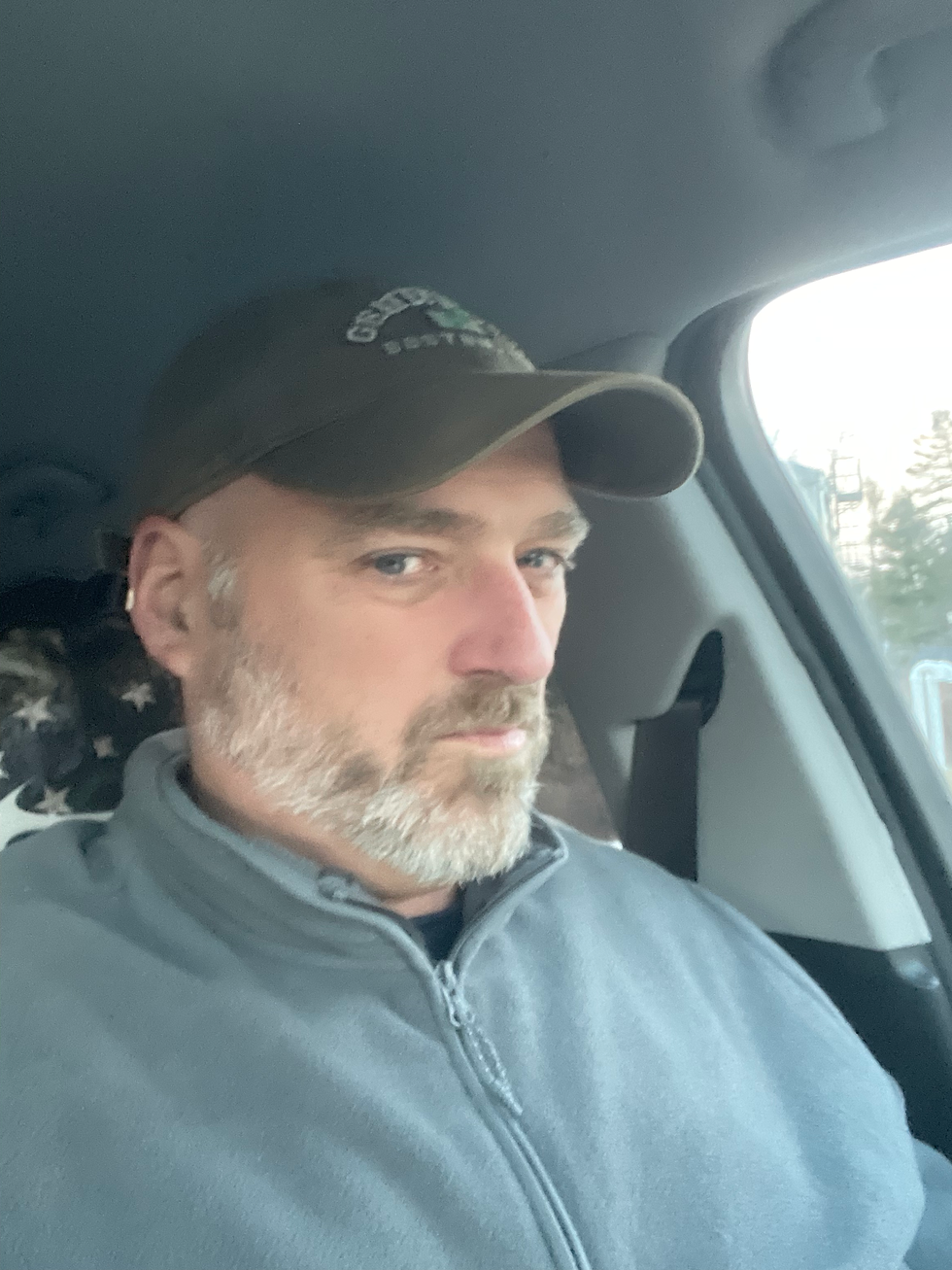
Insurance Umpire & Appraisal Services
Neutral. Experienced. Impartial. Serving as an umpire and appraiser in property insurance disputes across Massachusetts, Rhode Island, and Connecticut.

When a policyholder and their insurance company agree that a loss is covered, but disagree on the dollar amount of that loss, most policies provide a built-in resolution process: appraisal. Each side selects their own appraiser. If those two appraisers can't reach agreement, they select a neutral third party — the umpire — whose decision, when it aligns with either appraiser, becomes binding.
I serve in this neutral role, bringing 25+ years of claims experience from both the carrier and policyholder sides, along with CPCU and Haag Certified Inspector credentials, to help resolve valuation disputes fairly and efficiently — without the time and cost of litigation.

Facing an appraisal dispute? Call 617-697-2646 or email alfredsmithcpcu@gmail.com to discuss whether I'm a fit for your case.
How the Process Works (step format):
Dispute identified — Insurer and policyholder disagree on the amount of loss (not coverage).
Appraisal invoked — Either party formally demands appraisal, as allowed under the policy.
Appraisers selected — Each side names its own competent, impartial appraiser.
Umpire selected — If the two appraisers can't agree, they jointly select (or a court appoints) an umpire.
Evaluation — The umpire reviews the property, scope, and valuation evidence independently.
Award issued — Agreement by any two of the three (appraiser, appraiser, umpire) becomes the binding award.
Why Choose our services:
CPCU-Certified (Chartered Property Casualty Underwriter) — the highest designation in the industry
Haag Certified Inspector — engineering-based damage assessment training
25+ years of experience on both sides of the claims table — carrier and policyholder
Licensed in Massachusetts, Rhode Island, and Connecticut
Background in liability and subrogation claims, bringing technical rigor to disputed valuations